Why Is The Antalya Museum Closed?
The Antalya Museum is closed to visits on the Ministry's own page, with no reopening date stated. What happened, what the press reports, and which museums are open instead.
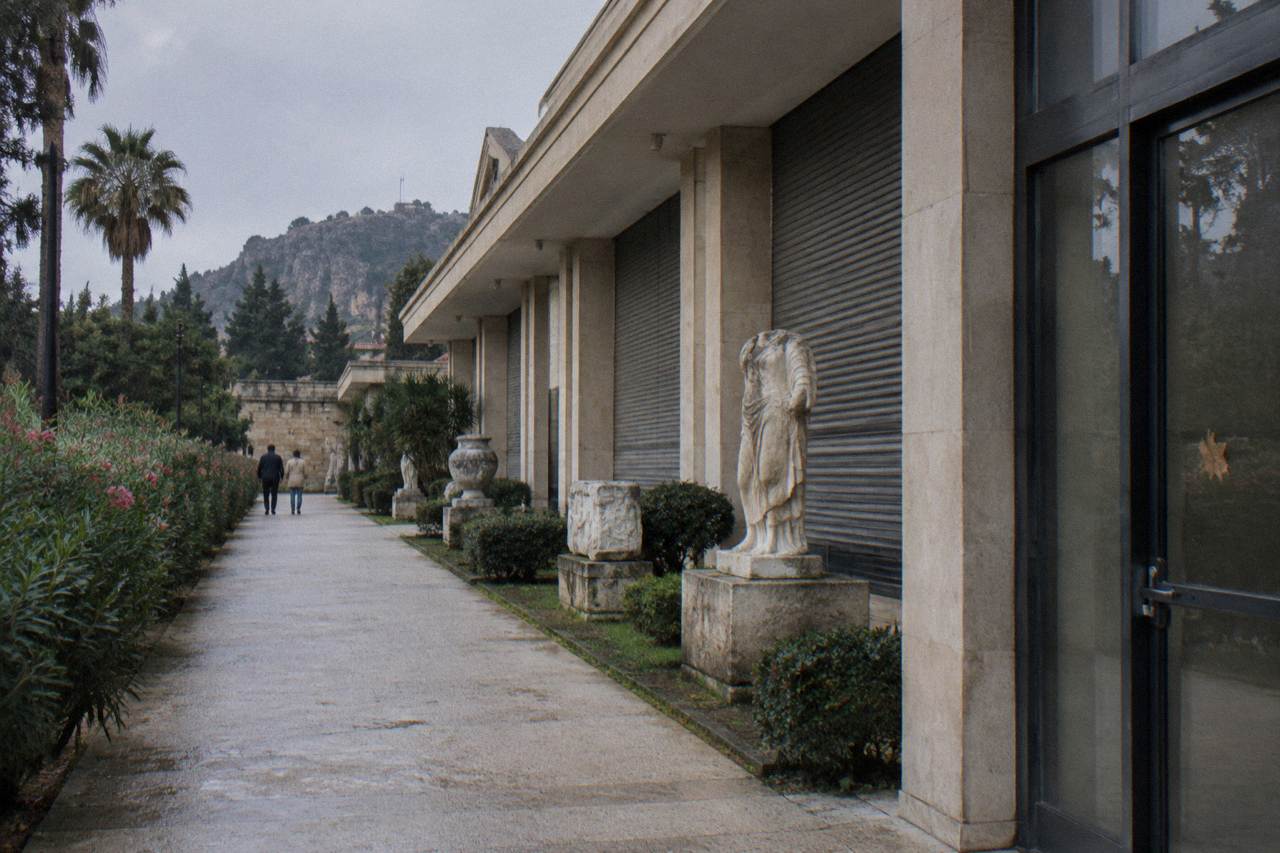
The Ministry of Culture and Tourism's page for the Antalya Museum states its status in a single Turkish phrase: Ziyarete kapatilmistir, closed to visits. The same page shows opening hours of 00:00, which is what a closed building looks like on an official schedule. No reopening date appears anywhere on that page, and no other Ministry page states one either.
Is The Museum Open?
No. The Antalya Museum is closed to visitors, and the Ministry of Culture and Tourism's own page for the museum says so directly. The page lists no reopening date, no temporary exhibition and no partial access, just the closed status and hours of 00:00. The Ministry's fee schedule still prints the museum's old fare of EUR 15 for foreign visitors, but it prints that figure beside the word CLOSED, so no visitor can pay it today.
That last detail confuses a lot of trip planning. A price that appears in an official document looks like a price you can pay, and search results that quote the EUR 15 figure without the closure note make it worse. The directive is a schedule of fees for foreign visitors across all Ministry sites, dated 22 February 2026, and the Antalya Museum line in it is marked closed, so no admission figure for the museum is printed as a working price.
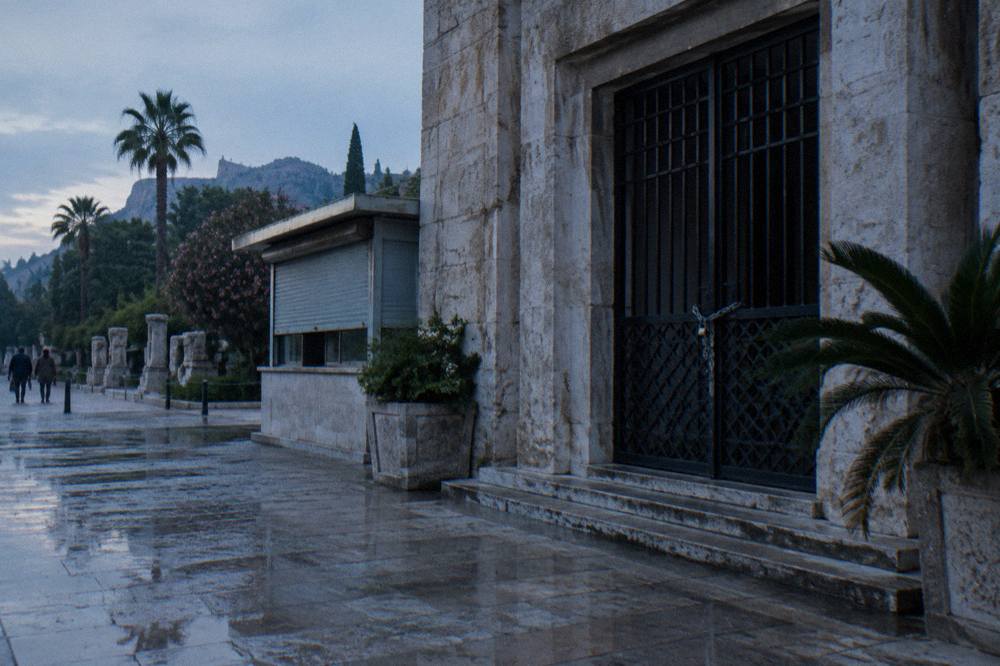
The practical question for a visitor is what to do with the museum slot in an Antalya plan, and the answer is to redirect it. The Ministry runs several other museums in the city that are open, and three of them are free on the Ministry's schedule: the Mevlevihane Museum, the Antalya Ethnography Museum and the Antalya Ataturk House Museum. The Ministry's page for the Mevlevihane Museum shows it open every day from 08:30 to 19:00 and marked free. The Ethnography and Ataturk House museums are also free on the Ministry's schedule, though the Ministry's pages do not state their hours or opening days, so a visitor should treat those two as free-but-check-before-travelling entries.
One more museum sits inside the old town and does not belong to the Ministry at all. The Kaleici Museum is run by Koc University's AKMED, and it charges: TRY 80 for an adult, TRY 40 for concessions, with free entry for people 65 and over, children 14 and under, disabled visitors and their companions, ICOM and Koc members and press. It is closed on Mondays. MuseumPass, the Ministry's own pass, does not apply there, because AKMED is a separate operator. Three bodies, three rule sets, and none of them describes the others.
| Museum | Operator | Status | Entry |
|---|---|---|---|
| Antalya Museum | Ministry of Culture and Tourism | Closed to visits | No entry possible |
| Mevlevihane Museum | Ministry of Culture and Tourism | Open, 08:30 to 19:00 every day | Free |
| Antalya Ethnography Museum | Ministry of Culture and Tourism | Hours not stated | Free on the Ministry's schedule |
| Antalya Ataturk House Museum | Ministry of Culture and Tourism | Hours not stated | Free on the Ministry's schedule |
| Kaleici Museum | Koc University AKMED | Open, closed Mondays | TRY 80 adult, TRY 40 concessions |
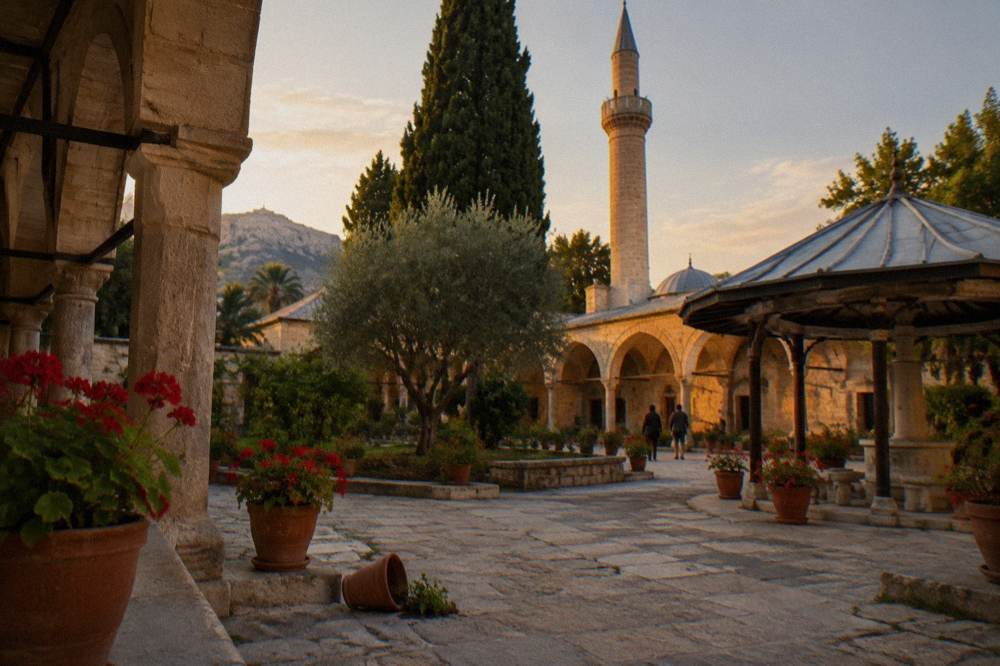
The Mevlevihane Museum sits inside the Yivli Minaret complex in Kaleici, which is itself free to look at from the lane and the square, and free to enter as a visitor to a working mosque with modest dress and outside prayer times. A fuller walk through that quarter is covered in the guide to Kaleici old town on a free day, which sets out what costs nothing in the quarter and what does not.
What Happened To The Building?
The Antalya Museum closed to visitors with no stated reopening date, and official sources offer little explanation. The Ministry's pages say only that the museum is closed, while press reports provide additional details about the building's situation, none of which appear in any official government account of the closure.
That is the whole shape of the story, and the split matters. A traveller deciding whether to build a day around the museum needs the official status, which is closed, full stop. A traveller curious about why a national museum ended up in this position is reading press reporting, which this page attributes as press reporting and nothing more.
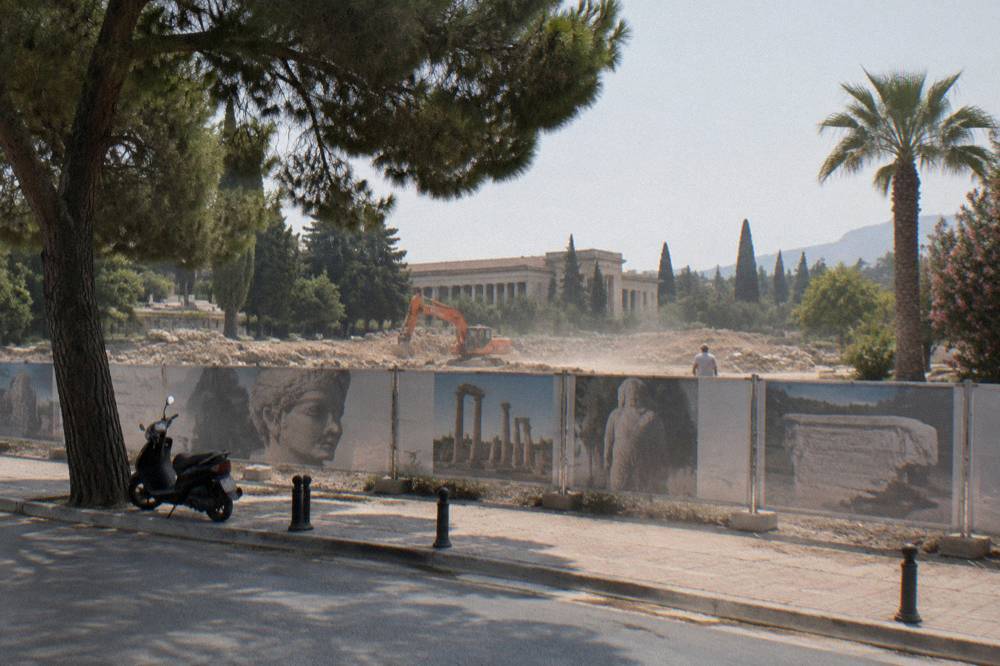
What can be said without any hedging is what the closure is not. It is not a renovation closure with a published reopening date, because no reopening date is stated. It is not a seasonal closure, because the Ministry's free museums in the city operate on their own published schedules and the Antalya Museum does not. And it is not a ticketing change, because the EUR 15 figure in the directive sits beside the word CLOSED and cannot be paid. Anyone who tells a traveller the museum is "temporarily closed for refurbishment" is inventing a detail that no official page carries.
The wider lesson for Antalya planning is that museum status in this city is a per-operator question. The Ministry's page for the Antalya Museum states the closure. The Ministry's page for the Mevlevihane Museum states free and open status. AKMED's own arrangements govern the Kaleici Museum. A single assumption about "museums in Antalya" gets all three wrong in some direction, which is why the table above separates them by operator rather than lumping them as one municipal offer.
Where Did The Collection Go?
No official page states where the collection is held, and the Ministry's page states nothing about the collection at all. For a visitor, the practical point is simpler: no official page says whether any of the objects can be viewed, and the free Ministry museums on the schedule and the Kaleici Museum are the substitutes.
The container detail comes from the same non-official sources as the demolition timeline, and it is repeated here only as attributed reporting. What a visitor can act on is the open list. The Mevlevihane Museum, inside the Yivli Minaret complex, is free and open 08:30 to 19:00 every day on the Ministry's page. The Ethnography Museum and the Ataturk House Museum are free on the Ministry's schedule. The Kaleici Museum, under AKMED, is paid and closed Mondays. Between them, a visitor can still fill a museum morning in Antalya without paying anything at all, provided the free options are checked on the day.
For travellers who wanted archaeology rather than decorative arts, the ancient sites remain the deeper pool, and they are paid for foreign visitors on the Ministry's published schedule. Perge is EUR 11, Aspendos is EUR 15, Side Museum is EUR 5, the Side Archaeological Site is EUR 7 with a single ticket at EUR 10, Phaselis is EUR 10, Olympos is EUR 10 and Termessos is EUR 3 for the archaeological site. Foreign children aged 8 and under are free at Ministry sites. MuseumPass is accepted at the paid Ministry sites: MuseumPass Turkiye at EUR 165 for 15 days and MuseumPass Mediterranean at EUR 90 for 7 days, as the directive prints them. Each fare stands on its own and the pass comparison belongs to the reader, not to a summed total. The full pass question, including whether it pays off on an Antalya itinerary, is worked through in MuseumPass worth it in Antalya.
One condition inside that list deserves its own flag: the ancient theatre inside Perge is temporarily closed for restoration, with no reopening date stated, while the rest of the site stays open 08:00 to 19:00 every day. A visitor who goes to Perge for the theatre specifically is buying a site ticket without the theatre, and the Ministry's page is where that status lives.
When Might A New Museum Open?
No official page states a reopening date for the Antalya Museum, so no date can be printed here. The planning answer is to build an itinerary around the museums that are open, and to treat any reopening date read elsewhere as a press claim rather than a schedule.
A page that printed "reopening in 2027" would be guessing, and a guess dressed as a date is worse than a plainly stated unknown, because travellers book around dates. The Ministry's page gives nothing to book around. The only statement that stands on the Ministry's official record is: closed, no reopening date stated.
| Planning question | Official answer | Press-reported answer |
|---|---|---|
| Is the museum open? | Closed to visits | Closed to visitors; no reopening date stated |
| Is the EUR 15 fare charged? | No, the directive marks the museum CLOSED | No, the museum is closed to visitors |
| Where is the collection? | Not stated | Not stated |
| When does it reopen? | No date stated | No date stated |
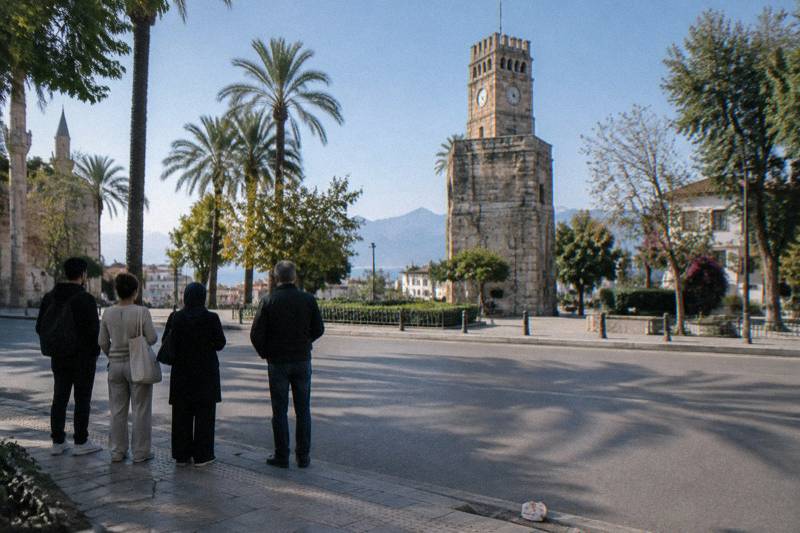
Meanwhile the old town keeps working as the free core of an Antalya day. Hadrian's Gate is free to see and walk through, the Clock Tower and Republic Square are free to see, the old harbour edge is free to walk, and the Kaleici bazaar is free to wander with whatever you buy being a paid purchase. Karaalioglu Park and Ataturk Park are free public parks. The guided layer on top of all this is small and honest: five free walking tours run in Antalya, four listed on GuruWalk and one on freetour.com, and all four GuruWalk walks are Kaleici old town circuits, three starting at Hadrian's Gate and one at the Clock Tower. There is no museum walk among them, and no walk that implies one, so the closure does not change what the walks cover.
The walk that pairs best with a museum-substitute morning is the 2-Hour Walk, Local Taste, led by Onder, which starts at the Clock Tower and is rated 4.94 out of 5 across 83 GuruWalk reviews. It is free, pay what you want: you reserve a free spot and pay the guide what you think the walk was worth at the end, and the amount is the walker's choice, with no official figure existing for it. See this free tour on its GuruWalk page for the meeting point and reservation. The other platform, freetour.com, lists one more walk, the 3-Hour Hidden City Tour led by Deniz Akgun, which starts at Balerin Cafe and covers the city centre rather than Kaleici; it has no reviews yet.
For a fuller sense of whether the old town deserves the hours a museum would have taken, is Kaleici worth visiting works through the question against what the quarter actually offers, and Free Things To Do In Antalya holds the running list of what is free, what is paid and what is closed across the city. The closure of a national museum is a real loss to an Antalya plan, but the free layer around it, the parks, the gate, the harbour edge, the free Ministry museums and the pay-what-you-want walks, is large enough that a visitor who plans around the closure loses very little of the city itself.
One practical note for anyone who lands in Antalya hoping to see the museum anyway: the closure is marked on the official Ministry page, so a quick check of that page before travelling is the only reliable way to confirm the status has not changed. If the page still shows closed to visits, treat every other claim, including this section's press summaries, as background rather than as a booking basis. A traveller who builds a plan on the free layer and then finds the museum has reopened simply gains a bonus stop, whereas a traveller who books around a guessed date risks a wasted morning.
The museum question can be left open until the official page answers it, and the itinerary does not suffer in the meantime.
A few planning details follow from the facts above, and they are worth spelling out because they shape how a day actually runs. The three GuruWalk circuits that start at Hadrian's Gate and the one that starts at the Clock Tower cover the same quarter, so a walker who wants a second perspective can pair two of them, though the routes overlap in the old town by definition. The freetour.com Hidden City Tour is the only one of the five that leaves Kaleici for the city centre, so a traveller who wants coverage beyond the old town should look at that one, keeping in mind it has no reviews yet. Because all five walks are pay what you want, none of them carries a fixed price to compare against the EUR 15 fare that the closed museum would have charged; the free layer simply removes that line from the budget. The meeting points are themselves free sights: Hadrian's Gate can be walked through before or after any of the three tours starting there, and the Clock Tower sits in the same free old town core as Republic Square and the harbour edge, so the walk start doubles as sightseeing.
The timing question also answers itself from the table above. The safer structure is the one this section has already described: build the itinerary from the free layer, the parks, the gate, the bazaar and the pay-what-you-want walks, and check the Ministry page shortly before travelling as the single reliable status check. If the page still reads closed to visits, the plan stands as built. If it reads otherwise, the museum becomes the bonus stop and nothing already planned is lost, which is the whole advantage of planning around what is open rather than around what might open.
A few words on how the two closure sources differ, because the difference matters for anyone quoting them. The Ministry's directive is the official status: it marks the Antalya Museum CLOSED, and the museum's own Ministry page carries the same CLOSED marking. The odd part is that the directive still prints the EUR 15 foreign adult fare beside the word CLOSED, so a reader sees a price and a status that contradict each other on the same page. The directive says nothing about where the collection is or when visits resume, and no official page states a reopening date. A traveller who quotes the Ministry line is therefore quoting a status with no date attached, and the fare printed next to it does not mean the museum is open. The summary for a travel plan is the one the table gives: closed, collection location not stated officially, no reopening date stated by any official page. For visitors who still want museums, the free Ministry museums on the schedule, the Mevlevihane, the Ethnography museum and the Ataturk House museum, remain open, and the Kaleici Museum charges TRY 80 for adults; it is run by Koc University AKMED, not the Ministry, and MuseumPass does not apply there.
The pay-what-you-want layer also deserves one practical note on how it behaves in a budget. Because the amount is the walker's choice and no official figure exists, the free walks cannot be assigned a price line the way the EUR 15 museum fare could be, and that cuts both ways: a walker can pay nothing, or a walker can pay what a guided morning felt worth. The only fixed comparison that survives the closure is therefore between a walk with no set price and a museum that cannot currently be entered at any price, which is why the free layer, not a ticket budget, is the right frame for planning an Antalya day under the closure.
Common Questions About The Antalya Museum Closure
Why Is The Antalya Museum Closed?
The Ministry of Culture and Tourism's page for the museum states that it is closed to visits, with no reopening date stated.
Is The Antalya Museum Open In 2026?
No. The Ministry's page carries the closed status and shows hours of 00:00. The Ministry's fee directive dated 22 February 2026 still prints the museum's EUR 15 foreign-visitor fare, but it prints it beside the word CLOSED, so no visitor can pay it.
Which Museums In Antalya Are Open Instead?
Three Ministry museums are free on the Ministry's schedule: the Mevlevihane Museum, open 08:30 to 19:00 every day, the Antalya Ethnography Museum and the Antalya Ataturk House Museum. The Kaleici Museum, run by Koc University's AKMED, is also open and charges TRY 80 for an adult, closed on Mondays.
When Will The Antalya Museum Reopen?
No official page states a reopening date.
Where Is The Antalya Museum Collection Now?
No official page states where the collection is held. No official page says whether it can be viewed.
Does MuseumPass Work At The Antalya Museum?
No, because the museum is closed to visits. MuseumPass is accepted at the paid Ministry sites that are open, at MuseumPass Turkiye EUR 165 for 15 days and MuseumPass Mediterranean EUR 90 for 7 days as the directive prints them, but a pass cannot buy entry to a closed museum.