How To Pay For Public Transport In Antalya?
How paying for Antalya's trams and buses works: the AntalyaKart card system, the nostalgic tram, airport transfer options, and which transport facts no official page states.
How To Pay For Public Transport In Antalya?
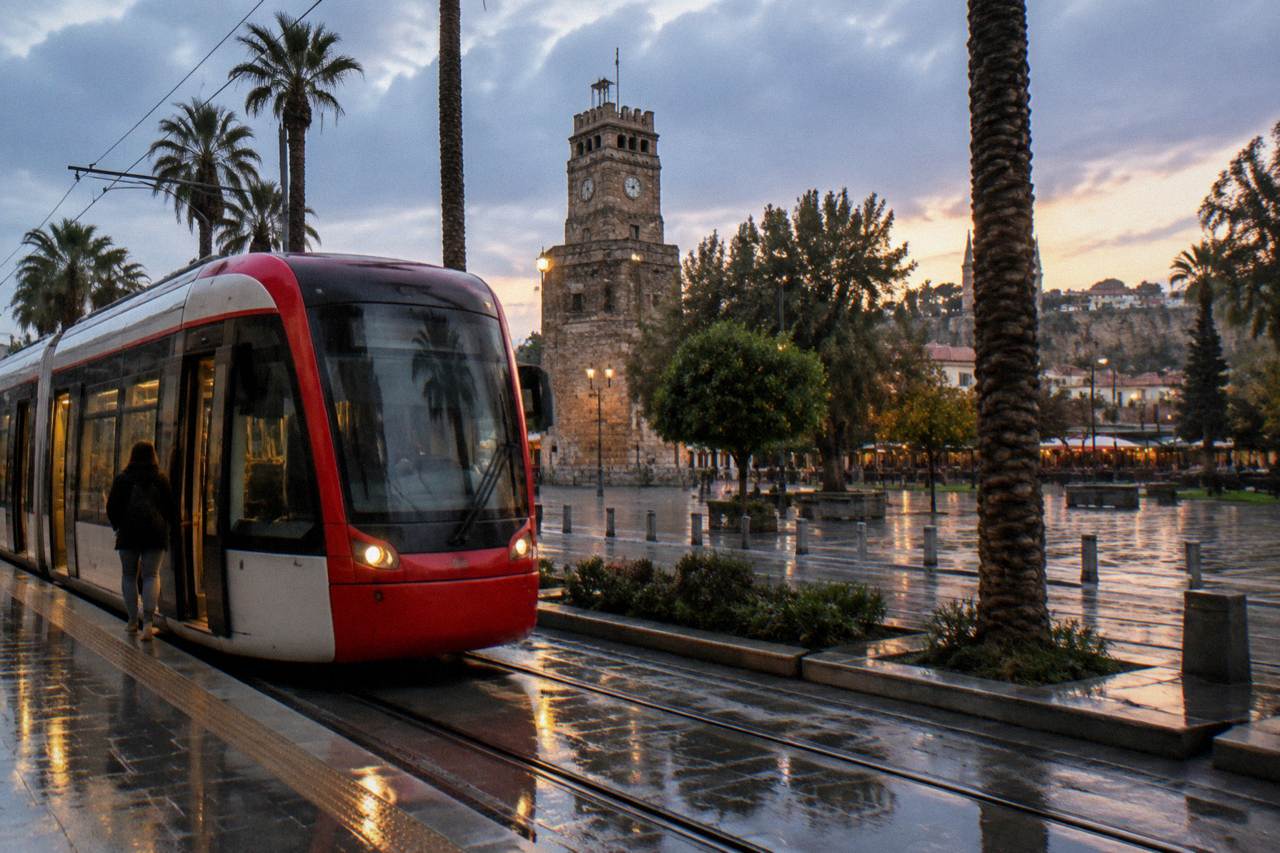
You pay with AntalyaKart, the card system that runs the city's trams and buses, and every part of it is paid: no tram, bus or airport connection in Antalya is free for a visitor. You buy the card, load credit onto it, and tap it to ride. No official page states a 2026 fare for any of these rides, so budget for a paid card from the first day.
That is the whole payment picture in one paragraph, and it is worth being blunt about the second half: the fare itself. The AntalyaKart system is run by the Antalya Metropolitan Municipality, and its official card site explains the card, where to buy it and how to top it up, but no official page prints a 2026 fare for a single tram or bus ride. Press-reported figures circulate, and a press number is not an official number.
What is certain, and worth planning around, is the shape of the system. One card covers the trams and the municipal buses. The airport connects to the city by bus on the same AntalyaKart system, or by shuttle. There is no separate ticketing regime for tourists, no visitor pass that the municipality publishes, and no free ride category for visitors of any kind. Turkish citizens and foreign visitors ride the same paid network.
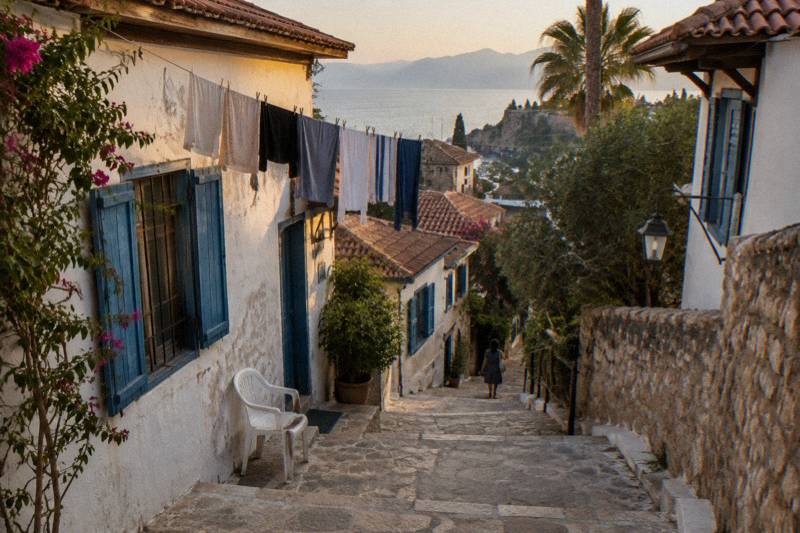
The one genuinely free way to move around Antalya costs nothing and needs no card at all: walking. Kaleici old town is a quarter you explore on foot, its streets are free to walk at any time, and the city's five free walking tours, four listed on GuruWalk and one on freetour.com, cover the old town and the city centre. If your day is concentrated inside Kaleici, the transport question barely arises. The guide to free walking tours in Antalya lays out those options walk by walk.
What Is AntalyaKart?
AntalyaKart is the rechargeable card that pays for Antalya's trams and buses, run by the Antalya Metropolitan Municipality. You buy the card, load credit, and tap in to ride; without it you have no official way to pay on the network. It is a paid system end to end, and no official page prints the 2026 fares, so top up at a vending point rather than trusting a forum number.
The card is the single key to the network. The municipality's official AntalyaKart site, antalyakart.com.tr, is the operator's own page for the system, and it is the right place to check card types, purchase points and top-up methods before you travel. What that official material does not do is state a fare figure for a single journey, and no official page gives one.
A practical note on how the card fits a sightseeing trip. Antalya's headline free sights cluster tightly: Hadrian's Gate, the Clock Tower and Republic Square, the old harbour edge, Karaalioglu Park and the Kaleici bazaar are all inside or on the edge of the same old town quarter, and all of them are free to see. A visitor whose itinerary is Kaleici plus the Falez clifftop promenade can genuinely spend a day without tapping the card once. The card is useful on days that reach further out, such as the Konyaalti beach stretch on the western side of the city.
| Way of getting around | Free or paid | What an official page states |
|---|---|---|
| AntalyaKart trams | Paid | The card system exists; no 2026 fare is stated |
| Municipal buses | Paid | Part of the AntalyaKart system; no fare stated |
| Nostalgic tram (T1) | Paid | Part of the tram and bus network; no fare stated |
| Airport bus | Paid | Runs on the AntalyaKart system; no fare or route number stated |
| Airport shuttle | Paid | A shuttle option exists; no fare stated |
| Walking Kaleici and the harbour edge | Free | The old town streets are free to walk, any time |
One thing the table shows plainly: the paid column is long and the free column is short, and the free entry is the one that needs no ticket, card or queue. The Metropolitan Municipality's own pages on the city, antalya.bel.tr, describe the old town and its streets as a walkable quarter, which is the quiet argument for building an Antalya day around foot travel and using AntalyaKart only for the longer hops.
For a trip measured in days rather than hours, the question of how much transport you need depends on the plan itself. The blog post on how many days you need in Antalya separates the walkable core from the outings that need a ride, and that split is exactly where the card does and does not matter.
Is The Nostalgic Tram Free?
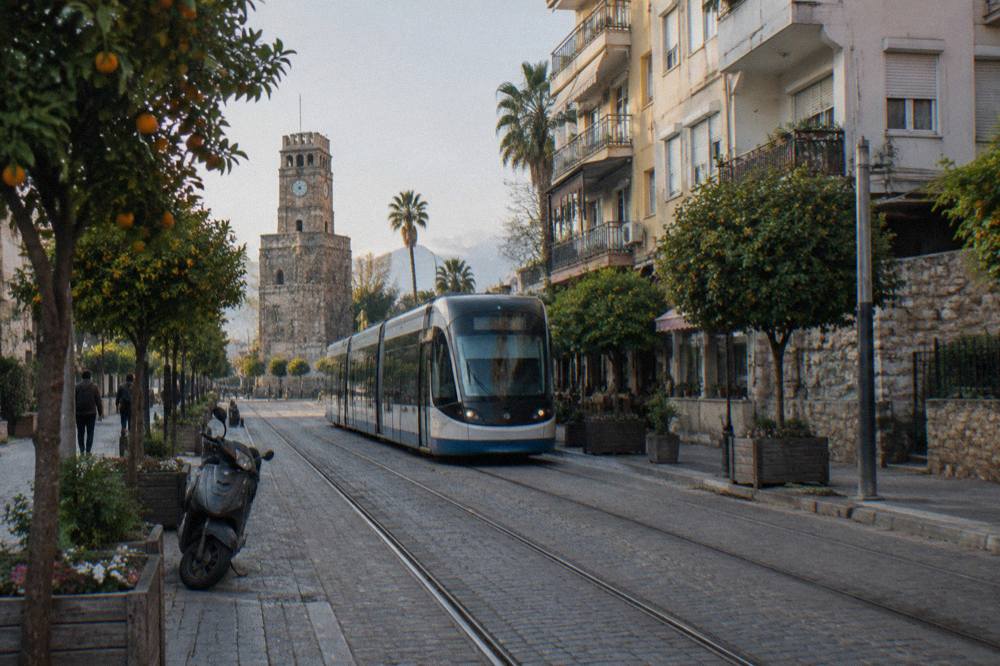
No. The nostalgic tram, line T1, is part of Antalya's tram and bus network, and that network is paid through the AntalyaKart card system. It is not a free heritage ride and not a separate free attraction; it is a working line on the same fare system as the modern trams and buses. No official page states its fare or describes it as free, so treat it as a normal paid ride.
The distinction matters because "nostalgic" sounds like a tourist amenity, and tourist amenities in some cities are free. In Antalya the tram network, including the T1 line, belongs to the paid public transport system: the same card, the same tap-in, and no stated fare. A visitor who boards expecting a complimentary heritage experience will be standing at the door without a working card.
The framing is this: the nostalgic tram is a way to travel, not a thing to see for free. Antalya's free sights are elsewhere and they are genuinely free. Hadrian's Gate is a street monument with no ticket office. The Clock Tower and Republic Square are public and free to see. Karaalioglu Park is a free public park on the clifftop. The old harbour edge is free to walk. If the goal is free Antalya, the tram is how you might arrive at those places, and the places, not the ride, are what cost nothing.
There is a paid layer to keep separate too. The boat trips from the old harbour are paid, and no boat price is printed anywhere on this site. The Tunektepe cable car is paid, and a ticket page for it states it is temporarily out of service for maintenance; that page does not name its operator, and no official page gives a reopening date or fare. Neither of those is public transport, but both get mentioned in the same breath as "getting around", and both belong firmly on the paid side of the ledger.
For the old town itself, a guided walk is the alternative that really is free at the point of booking. The 1-Hour 30-Minute Tales And Trails walk, led by Mehmet and starting at Hadrian's Gate, is rated 4.99 out of 5 across 134 GuruWalk reviews; you reserve a free spot and pay the guide what you think the walk was worth at the end, and the amount is the walker's choice, with no official figure existing for it. Its Kaleici Tales And Trails walk page carries the meeting point and the full itinerary. On GuruWalk it sits alongside three other Kaleici walks; freetour.com lists one more, the 3-Hour Hidden City Tour led by Deniz Akgun, which has no reviews yet and starts at Balerin Cafe in the city centre.
How Do You Reach The Airport?
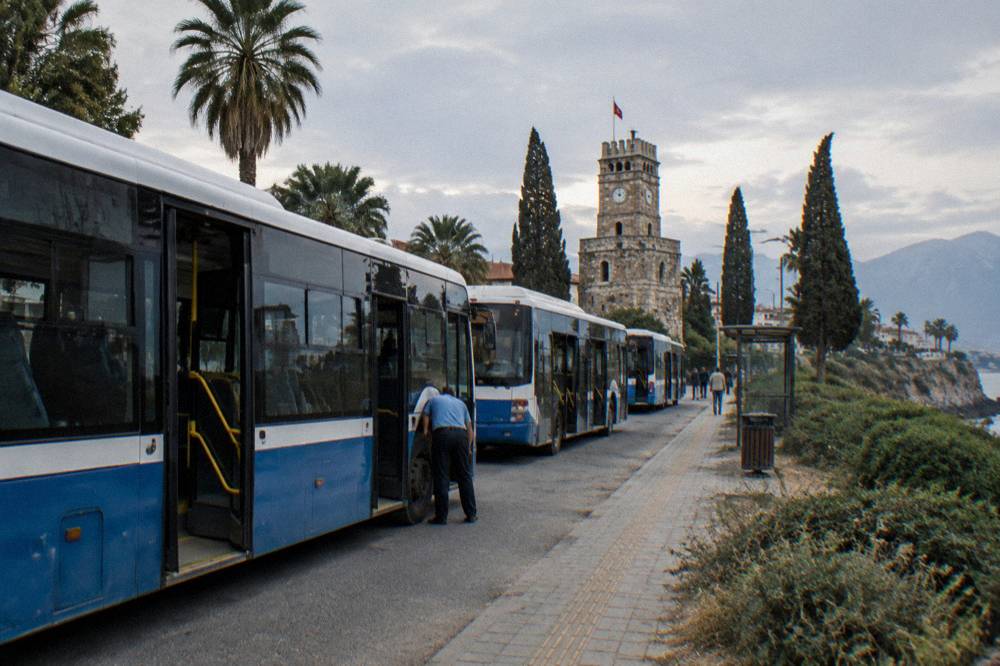
Antalya's airport connects to the city by bus on the AntalyaKart system, or by shuttle, and both options are paid. There is no free airport transfer for a visitor and no official page states a fare for either. No route number is printed here either, because no official page states one. The practical plan: arrive with the card, or budget for the shuttle, and check the AntalyaKart site before you fly.
Two things are stated: the bus runs on the AntalyaKart system, and a shuttle option exists. Everything a traveller most wants to know beyond that, the fare, the route number, the timetable, is not stated on an official page. A hotel transfer or a private car is a third, private option, and private operators' prices are their own affair; no figure for any of them is printed here.
What can be said with confidence is how the airport question fits the wider budget. Turkey's accommodation tax, a charge on hotel stays rather than on transport, runs at 1 percent from 1 May to 31 December 2026, down from 2 percent, so a hotel bill carries that line item on top of the room rate. Between a paid airport connection, a paid city card and that tax on the stay, the fixed costs of an Antalya trip are real but small, and the sightseeing itself can be made almost entirely free if the itinerary leans on the walkable old town and the free museums.
The free layer is worth naming precisely, because it is what balances the paid transport. The Ministry of Culture and Tourism runs three free museums in the city: the Mevlevihane Museum inside the Yivli Minaret complex, open 08:30 to 19:00 every day, plus the Antalya Ethnography Museum and the Antalya Ataturk House Museum, both free on the Ministry's schedule. The Antalya Museum itself is closed to visitors, and no reopening date is stated by any official page. The Ministry's paid ancient sites, Perge at EUR 11, Aspendos at EUR 15, Termessos at EUR 3 for the archaeological site, all for foreign adults, sit outside the city and need transport or a tour to reach, which is exactly where the card or a shuttle enters the plan.
What Is Unconfirmed?
The money is the unknown part: no official page states a 2026 fare for the AntalyaKart trams, the buses, the nostalgic tram or the airport bus, and no official page states a shuttle price. The systems exist and are paid, but the figures do not, at least not on any official page a traveller can check. The same gap applies to the sunbed prices, the Upper Duden fee and the cable car's reopening.
A traveller who reads "the tram costs X" on a forum and finds a different price at the machine has been let down twice. The practical version is: buy the card, load what you need, and expect the fare to be a small paid amount that the operator's own site will show at the point of purchase.
The list of unknowns around transport is short but worth knowing in full, so you do not build a budget on a number no official page printed:
| Item | What is known | What no official page states |
|---|---|---|
| AntalyaKart fares | The card system runs trams and buses | Any 2026 fare figure |
| Airport bus | Runs on the AntalyaKart system | The fare and the route number |
| Airport shuttle | A shuttle option exists | The price |
| Tunektepe cable car | A ticket page says it is temporarily out of service for maintenance | The operator, the reopening date and the fare |
| Upper Duden Waterfall | Paid and fenced, entry by ticket | The 2026 fee and hours |
| Konyaalti sunbeds | Private concessions charge for loungers | Any sunbed price |
Each row is its own operator's question, and one operator's silence never describes another's. The municipality runs the card system. Private businesses run the beach concessions. The cable car's page does not name its operator at all. Treating them as one "Antalya prices" question is how wrong numbers spread.
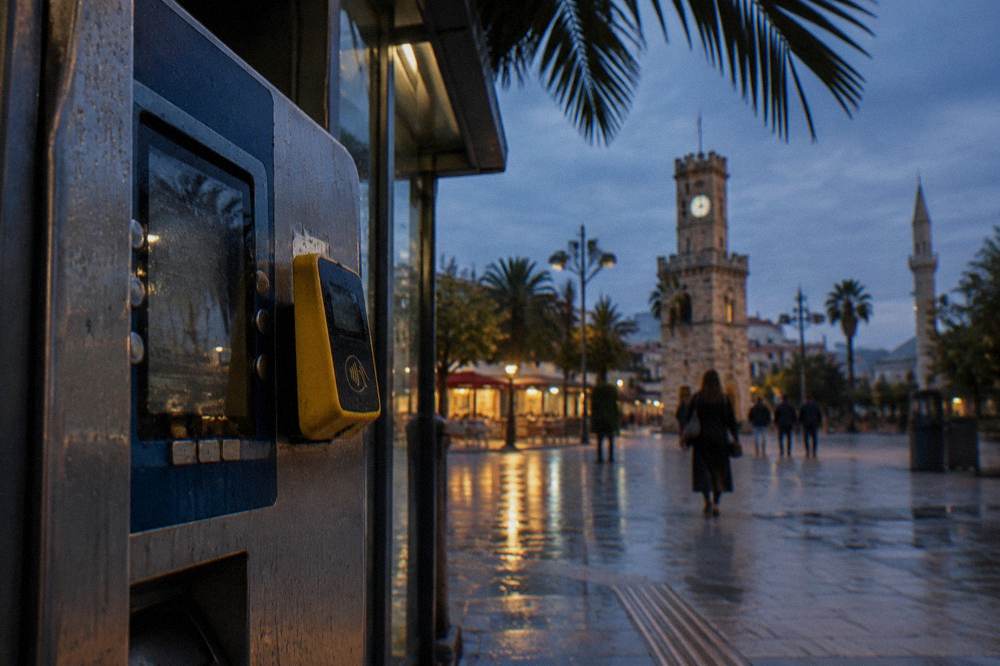
The planning takeaway is simpler than the gaps suggest. Antalya's transport is paid, small in cost and easy to use through one card, and its headline sights are free and walkable. The old town streets, Hadrian's Gate, the harbour edge, the parks and the bazaar cost nothing to see. The mosques are free to enter as a visitor, with covered shoulders and knees, a scarf for women, and no visits during prayer times. The Ministry's three city museums are free on its schedule. Put the paid card beside that free layer and the city is easy to visit on a tight budget: the money goes to the rides and the hotel tax, and the days themselves can be arranged to cost almost nothing beyond what you choose to spend.
For a wider view of what costs nothing in this city, Free Things To Do In Antalya is the homepage guide to the free layer, from the old town gates to the Falez clifftop promenade.
There is also a timing gap worth flagging alongside the price gap. The Tunektepe cable car's ticket page says it is temporarily out of service for maintenance, and no reopening date is printed anywhere official. The same page does not name the operator, so there is no one to email for a date even if you wanted to ask.
The hotel tax is the other line in the budget, and it behaves differently from the transport fares. Transport prices change rarely and get posted at the point of purchase, so a traveller absorbs them on the spot. A tax is charged per person per night, which means the amount scales with the length of the stay, not with how many rides you take. The practical move is the same for both: budget a small buffer for the paid layer, and let the free layer carry the rest of the days.
A last note on how to read the table above. "No official page states" is a claim about publishable sources, not about reality: the fare exists, the fee exists, the sunbed price exists, and a traveller who arrives will learn each one within minutes of arriving at the machine, the gate or the concession. What the table protects against is planning at home, where a wrong number copied from a forum can quietly become the number a whole budget is built on. If a figure matters to your plan, treat only the operator's own page, or the machine itself, as the source, and treat everything else, including this article, as a pointer toward where to check rather than a number to bank on.
One way to shrink the unknowns before departure is to lean on the parts of the trip that are already fixed. If your hotel is booked, the accommodation tax is the only per-night line still open, and it is charged at the hotel, so the front desk can confirm the current amount at check-in. If your flights are booked, the airport transfer is the only transport line still open, and the bus, the shuttle and a taxi all run from the same terminal area, so you can compare prices on arrival. The gap between "planned" and "paid" is small in Antalya, and most of it closes on the first day.
It also helps to know which unknowns can wait and which cannot. The tram fare, the bus fare and the waterfall fee can all be settled on the spot with no penalty, because none of them requires booking ahead. The cable car is the one item where waiting changes the plan rather than just the price, since a closed attraction cannot be bought at any price. That is why the table above separates the price question from the reopening question: prices resolve themselves at the machine, but a reopening date has to come from the operator, and until it does, the summit is a maybe no matter what a forum claims.
Common Questions About Paying For Public Transport In Antalya
How To Pay For Public Transport In Antalya?
You pay with AntalyaKart, the rechargeable card that runs the city's trams and buses, including the airport bus. Buy the card, load credit and tap in to ride. Everything on the network is paid for a visitor, and no official page states a 2026 fare.
What Is AntalyaKart?
AntalyaKart is the card payment system for Antalya's trams and buses, run by the Antalya Metropolitan Municipality. One card covers the whole network. The official card site explains purchase and top-up; it does not print a fare figure.
Is The Nostalgic Tram Free?
No. The nostalgic tram, line T1, is part of the same paid AntalyaKart network as the modern trams and buses. It is a working line, not a free heritage attraction, and no official page states its fare or describes it as free.
How Do You Reach The Airport?
By bus on the AntalyaKart system, or by shuttle. Both are paid, no official page states a fare for either, and no route number is printed here because none is stated officially. Private transfers are a separate, paid option.
What Is Not Stated on Official Pages?
The fares. No official page states a 2026 fare for the trams, buses, nostalgic tram or airport bus, nor a shuttle price. The same gap applies to the Tunektepe cable car's reopening and fare, the Upper Duden fee and Konyaalti sunbed prices.
Can You Visit Antalya Without Using Public Transport?
Yes, if the trip centres on Kaleici. The old town streets, Hadrian's Gate, the Clock Tower and Republic Square, the harbour edge and the clifftop parks are all free to walk, and the city's five free walking tours cover the old town and city centre on foot.